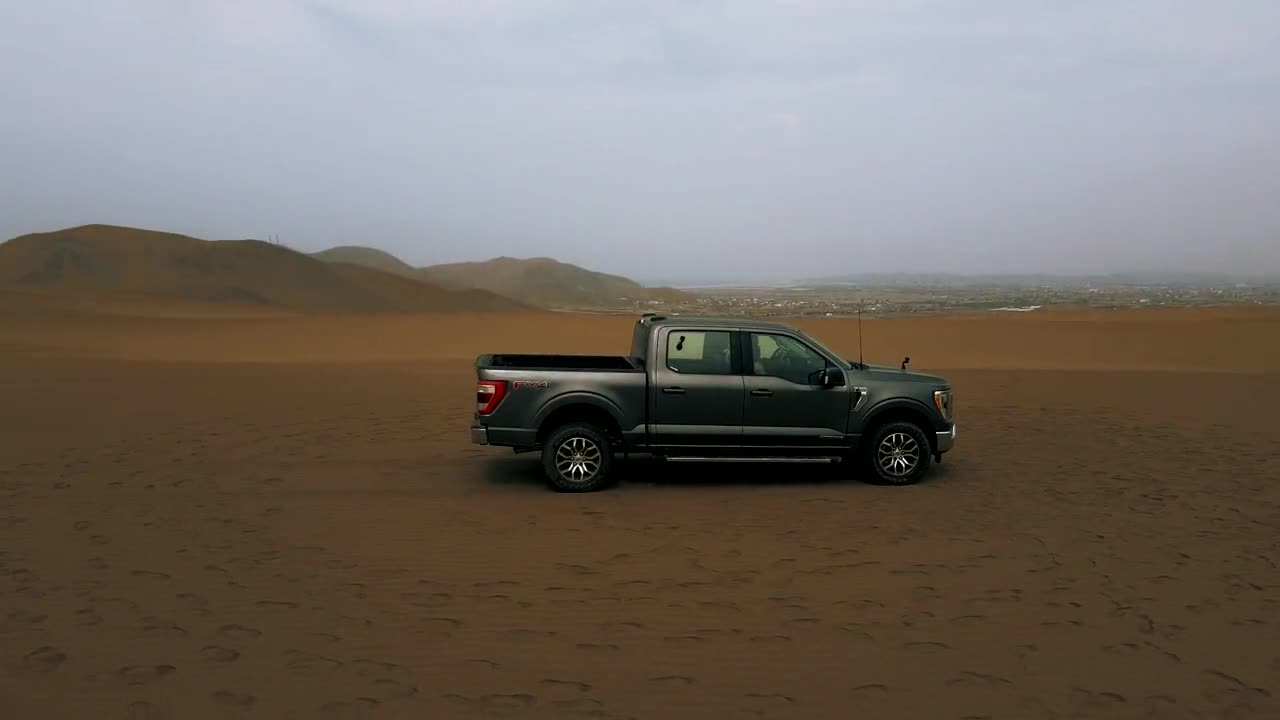
If the truck is doing the work, you almost certainly need commercial auto. Personal auto policies in Texas are written for commuting and errands. Most exclude or sharply limit coverage once the vehicle is used “in the business of” the insured: hauling tools and materials, towing a trailer, carrying a crew, driving between jobsites all day. The exclusion doesn’t show up when you buy the policy. It shows up when you file a claim and the adjuster asks what you were doing at the time of the accident.
Where the line is
There’s no single statute that says “commercial use starts here,” which is why people get it wrong. The practical test carriers apply:
- Who owns the vehicle? If it’s titled to your LLC or corporation, a personal policy won’t cover it at all. It needs a commercial policy.
- What’s it used for? Occasionally driving to a customer’s house in your own name is usually fine on a personal policy. Daily use carrying ladders, pipe, a compressor or a crew is business use.
- Is there a trailer? Towing a work trailer is one of the clearest signals of commercial use, and many personal policies limit trailer liability.
- Is it lettered? A logo on the door isn’t the legal test, but it tells an adjuster exactly what the truck is for.
What happens if you’re wrong
Worst case, the claim is denied and you’re personally on the hook for the other driver’s injuries and damage. Texas minimum liability limits are 30/60/25 ($30,000 per person, $60,000 per accident for injury, $25,000 property damage). A truck full of tools hitting a newer vehicle on I-35 can exceed that in the first hour. A commercial policy is normally written at a $1,000,000 combined single limit, which is also what general contractors, leasing companies and lenders ask to see on a certificate.
What commercial auto changes
- Higher limits. $1M CSL is standard for contractors; some GC contracts require it.
- Business use is covered, not excluded. Tools, materials, trailers, crews.
- Hired and non-owned auto. This extends liability coverage to employees driving their own vehicles for the business, which is the gap we fix most often. If a helper drives his own truck to pick up material and causes an accident, your business can be sued. Hired and non-owned coverage responds.
- Certificates. A GC asking for an auto certificate wants to see a commercial policy; a personal auto ID card won’t satisfy the requirement.
What it costs compared to personal
Commercial auto for a single work truck in Texas usually runs more than a personal policy on the same vehicle, sometimes meaningfully more, because the limits are higher and the use is heavier. The gap narrows when you bundle it with general liability and workers’ comp with the same carrier, and it narrows further with a clean driving record and a newer vehicle. For fleets, per-vehicle cost usually drops as you add units.
The owner-operator shortcut that doesn’t work
Some contractors keep the truck in their own name and on a personal policy to save money, reasoning that “I’m the only one who drives it.” The carrier doesn’t care who drives it; it cares what it’s used for. If the truck is on a jobsite with a bed full of tools when the accident happens, the business-use question is going to be asked. The savings aren’t worth the exposure.
Next step
Tell us how many vehicles, who drives them, and whether you tow. We’ll quote Texas commercial auto insurance across our carriers, include hired and non-owned coverage, and issue the auto certificate the same day coverage is bound.
Source: Texas Department of Insurance, automobile insurance guide.
Leave a Reply