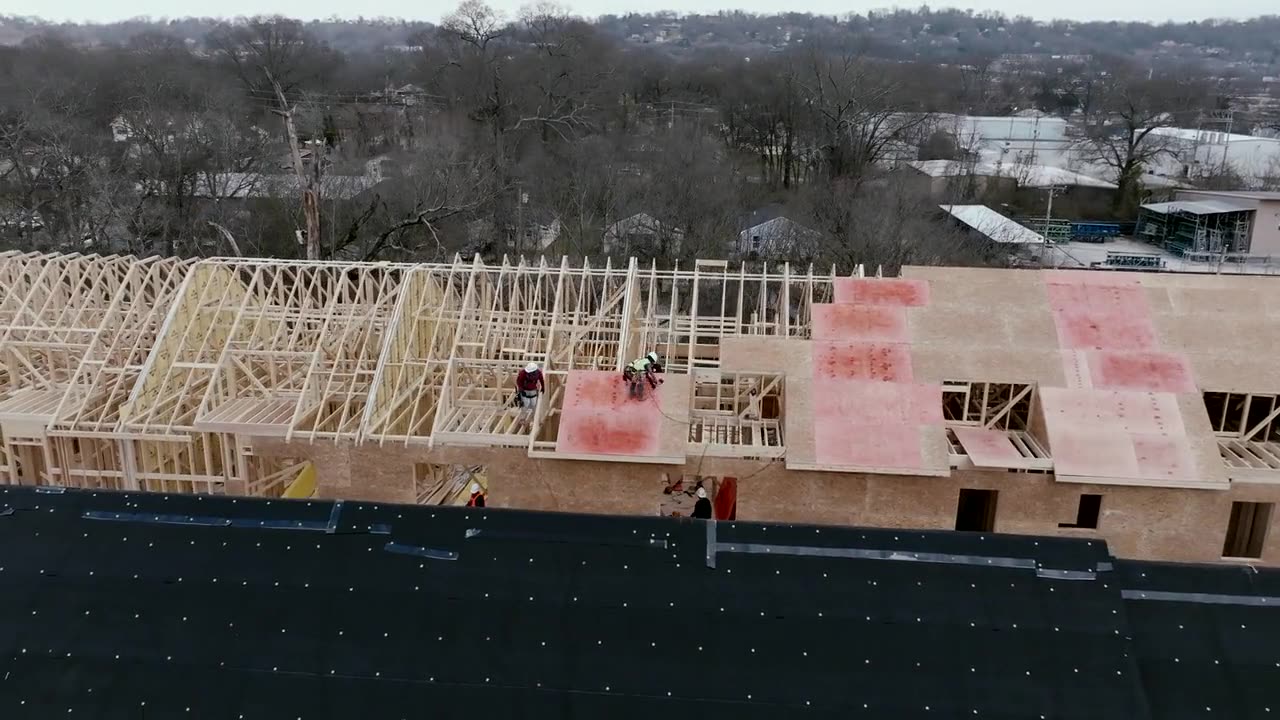
Most Texas trade contractors pay somewhere between a few hundred and a few thousand dollars a year for general liability, and the spread is that wide because the price is driven by your trade, your revenue and your claims history, not by a rate card. A one-man handyman with $80,000 in revenue and a roofing crew doing $2 million are both “contractors,” and their general liability premiums can differ by a factor of twenty. Here’s what actually moves the number, and how to get a real one.
The four things that set your premium
- Trade (class code). Carriers rate each trade by how often it causes third-party injury or property damage. Painting, handyman and low-voltage work sit at the cheap end. Plumbing, electrical and HVAC sit in the middle. Roofing, framing, demolition, excavation and anything structural sit at the top, and some carriers won’t write them at all.
- Revenue (or payroll). Most contractor GL policies are rated on gross receipts: more work, more exposure, more premium. Some carriers use payroll instead. Either way, the number you give at quote time is an estimate, and the policy is audited at the end of the year against your real numbers.
- Limits. The standard Texas contractor policy is $1,000,000 per occurrence and $2,000,000 aggregate. Going from $500,000 to $1,000,000 costs less than people expect; going above $1M is usually done with an umbrella rather than by raising the base policy.
- Claims history and years in business. A clean five-year record earns credits. A recent claim, or a brand-new business with no record, pays more until it proves itself.
Rough ranges for Texas trades
These are the ranges we see most often for small-to-mid contractors at $1M/$2M limits. They’re a sanity check, not a quote.
- Handyman, painting, cleaning, low-voltage: roughly $400 to $1,200 a year.
- Plumbing, electrical, HVAC, landscaping: roughly $800 to $3,000 a year.
- Remodeling, carpentry, concrete, masonry: roughly $1,500 to $5,000 a year.
- Roofing, framing, demolition, excavation: roughly $3,000 to $15,000+ a year, and strongly dependent on which carriers will write the trade.
If a quote you’re holding is wildly outside these ranges in either direction, something is off: either the class code is wrong, the revenue estimate is wrong, or the policy has exclusions you should read before you sign.
Why a cheap quote can cost you the job
General liability policies for contractors are not interchangeable. The cheap one often comes with exclusions that a general contractor’s certificate requirements will reject: no coverage for work performed by subcontractors, no completed-operations coverage, a roofing exclusion on a “general contractor” policy, or no ability to add the GC as an additional insured with primary and non-contributory wording. You find out when the GC bounces your certificate and you’re scrambling the week the job starts. A policy that costs $300 more and gets the certificate accepted is the cheaper policy.
What’s not included in general liability
People assume GL covers everything. It covers third-party bodily injury and property damage and your legal defense. It does not cover your employees (that’s workers’ comp), your trucks (commercial auto), your own tools (tools and equipment), or faulty workmanship on the work itself. If a GC’s requirements list all of those, that’s normal, and it’s why most contractors end up with three or four policies from one agency rather than one.
How to get a real number in minutes
You need three things ready: your trade, your estimated annual revenue, and whether you use subcontractors. With those, we send the risk to the carriers that actually want your class of work in Texas, line the options up side by side, and call you with the real premium and what the certificate will say. Start on the Texas general liability insurance page; name and phone is enough to begin, and the certificate goes out the same day coverage is bound.
Source: Texas Department of Insurance.
Leave a Reply